Why Concrete Sealing Prep Demands Professional Pressure Washing in Pearland
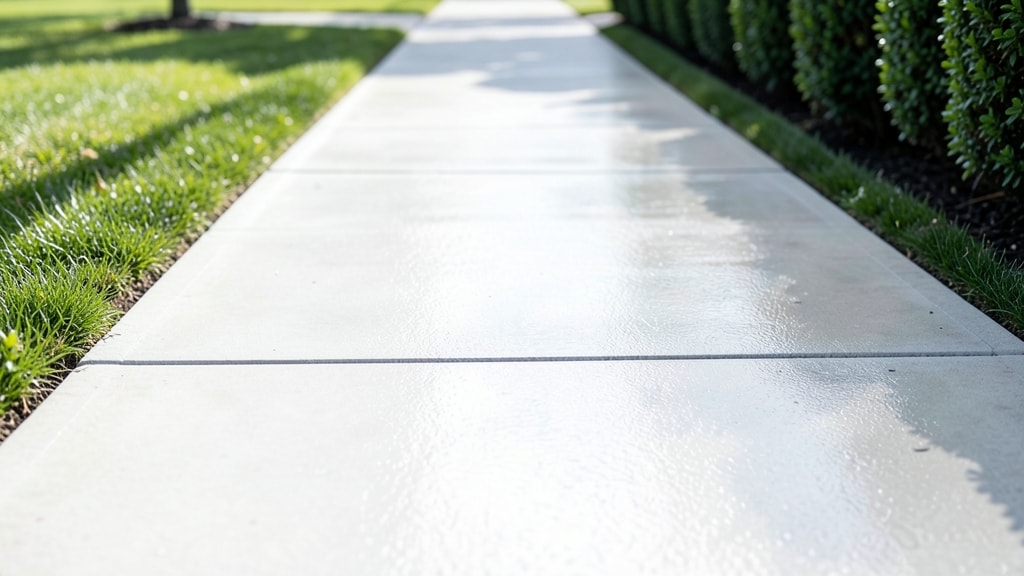
Sealing concrete without proper prep is like painting over dirt—it looks fine at first, but it won’t last. In our humid, hot climate, concrete absorbs contaminants that sabotage sealants. Professional pressure washing removes what DIY methods miss, ensuring your sealant bonds deeply and lasts longer.
Concrete Sealants Fail Without Deep Cleaning First
Sealants bond to clean, porous surfaces. Oil, dirt, and efflorescence create a barrier that prevents adhesion, leading to peeling or bubbling within months.
In Pearland, high humidity accelerates mold and algae growth on concrete. These organisms embed in pores, and if not removed, they’ll grow *under* the sealant, causing stains and degradation.
DIY Pressure Washers vs. Professional Equipment
Consumer-grade pressure washers often lack the PSI and GPM to strip years of grime from concrete. They can also etch surfaces if misused, creating micro-fractures that trap moisture.
Our commercial-grade units deliver consistent pressure with specialized nozzles. We adjust PSI for concrete type—stamped, stained, or broom-finished—to avoid damage while ensuring a deep clean.
| Factor | DIY Pressure Washer | Professional Service |
|---|---|---|
| PSI Range | 1,500–2,800 | 3,000–4,000+ (adjustable) |
| Cleaning Depth | Surface-level | Deep pore penetration |
| Risk of Damage | High (user error) | Low (trained technicians) |
| Time Efficiency | Slow (multiple passes) | Fast (single-pass coverage) |
| Chemical Use | Limited (basic detergents) | Targeted (industrial degreasers, efflorescence removers) |
The Hidden Enemies in Pearland Concrete
Efflorescence—a white, chalky mineral deposit—forms as water evaporates, leaving salts behind. It’s common here due to our clay-rich soil and fluctuating moisture levels.
Oil stains from driveways in neighborhoods like Shadow Creek or Silverlake seep deep. Standard cleaning won’t touch them; we use hot-water pressure washing and eco-friendly degreasers to lift them completely.
Oil and grease repel water-based sealants. Without industrial-grade degreasers, your sealant will fail prematurely, no matter how well you pressure wash.
Why Soft Washing Matters for Delicate Concrete
Not all concrete can handle high pressure. Stamped or colored concrete in areas like Friendswood or Manvel requires a softer touch to avoid stripping pigments or damaging textures.
Our soft wash techniques use lower PSI with specialized cleaners to lift contaminants gently. This method also prevents the ‘washing out’ of decorative finishes, preserving your investment.
The 3-Step Prep Process We Use Before Sealing
First, we pre-treat with a concrete-safe cleaner to break down organic growth and oils. This dwell time is critical—rushing skips the deep cleaning your surface needs.
Next, we pressure wash with the right nozzle and PSI for your concrete type. For driveways, we often use a 15-degree nozzle; for patios, a 25-degree nozzle reduces risk of etching.
Finally, we neutralize the surface with a rinse that removes all cleaner residue. Any leftover chemicals can react with sealants, causing discoloration or poor adhesion.
Concrete Prep Checklist
- Remove all furniture, vehicles, and debris from the area
- Pre-treat oil stains and organic growth with targeted cleaners
- Pressure wash with adjusted PSI for concrete type
- Neutralize surface and allow to dry completely (24–48 hours in dry weather)
- Inspect for missed spots or lingering stains before sealing
Timing Matters: When to Seal After Pressure Washing
Concrete must be *completely* dry before sealing. In Pearland’s humid summers, this can take 48–72 hours. Sealing too soon traps moisture, leading to cloudy finishes or sealant failure.
We monitor weather forecasts closely. Ideal conditions are dry, sunny days with low humidity—common in late spring or early fall. Avoid sealing if rain is expected within 24 hours.
Avoid These Common Concrete Sealing Mistakes
Applying sealant to a dirty surface is the top reason for failure. Even dust or pollen can interfere with adhesion. Always pressure wash first, even if the concrete *looks* clean.
Using the wrong sealant type—penetrating vs. film-forming—can also cause issues. Penetrating sealants work best for driveways in Alvin or Missouri City, where heavy traffic demands durability.
Tape a plastic sheet to the concrete. If condensation forms underneath after 24 hours, the surface isn’t dry enough to seal.
Long-Term Benefits of Pro Prep for Concrete Sealing
Proper prep extends sealant life from 1–2 years to 3–5 years. This saves you money long-term by reducing reapplication frequency and protecting against cracks or spalling.
In neighborhoods with heavy tree cover, like Brookside Village, pressure washing removes tannin stains that can bleed through sealants. Our process ensures a uniform, long-lasting finish.
How to Prep Concrete for Sealing Like a Pro
Follow these steps to ensure your concrete is ready for sealant application.
- 1Clear the Area
Remove all objects, including furniture, potted plants, and vehicles. Sweep away loose debris and dirt.
- 2Pre-Treat Stains
Apply a concrete-safe degreaser to oil stains and a mold/mildew remover to organic growth. Let it dwell for 10–15 minutes.
- 3Pressure Wash
Use a pressure washer with a 15–25 degree nozzle, adjusting PSI for your concrete type. Work in sections, overlapping passes to avoid streaks.
- 4Neutralize and Rinse
Rinse thoroughly to remove all cleaner residue. For stubborn efflorescence, use a mild acid wash (1:10 vinegar-water) and rinse again.
- 5Inspect and Dry
Check for missed spots or lingering stains. Allow the concrete to dry completely—24–72 hours depending on humidity.
Frequently Asked Questions
How often should I pressure wash my concrete before resealing in Pearland?
We recommend pressure washing concrete annually, even if you’re not resealing. For sealing prep, a deep clean is essential every 2–3 years—or sooner if you notice stains, mold, or efflorescence. Our climate accelerates buildup, so proactive cleaning prevents long-term damage.
Can I pressure wash my stamped concrete driveway myself?
Stamped concrete is prone to damage from high pressure or harsh chemicals. DIY pressure washers often lack the precision to avoid etching decorative grooves. We use soft wash techniques and specialized nozzles to clean without compromising the finish.
When should you seal concrete in Pearland?
Late spring (April–May) or early fall (September–October) are ideal. These seasons offer lower humidity and consistent dry spells, which are critical for proper sealant curing. Avoid summer’s extreme heat or winter’s moisture.
Does pressure washing remove all oil stains from my driveway?
Most surface-level oil stains can be removed with hot-water pressure washing and degreasers. However, deep-set stains may require additional treatments, like poultices or enzyme cleaners. We assess each stain to determine the most effective approach for complete removal.
Will pressure washing damage my older concrete?
Older concrete can be more porous or brittle, but professional pressure washing won’t damage it if done correctly. We use lower PSI, wider nozzles, and softer techniques for aged surfaces. The risk comes from DIY errors, like holding the nozzle too close or using excessive pressure.
Do you offer concrete sealing services after pressure washing?
Yes, we provide full-service concrete sealing for driveways, patios, and sidewalks in Pearland and surrounding areas like Friendswood and Manvel. Our team handles prep, cleaning, and sealing to ensure a seamless, long-lasting finish. Request a quote to discuss your project.