Why Pre-Treating Stains Is Critical Before Pressure Washing in Pearland
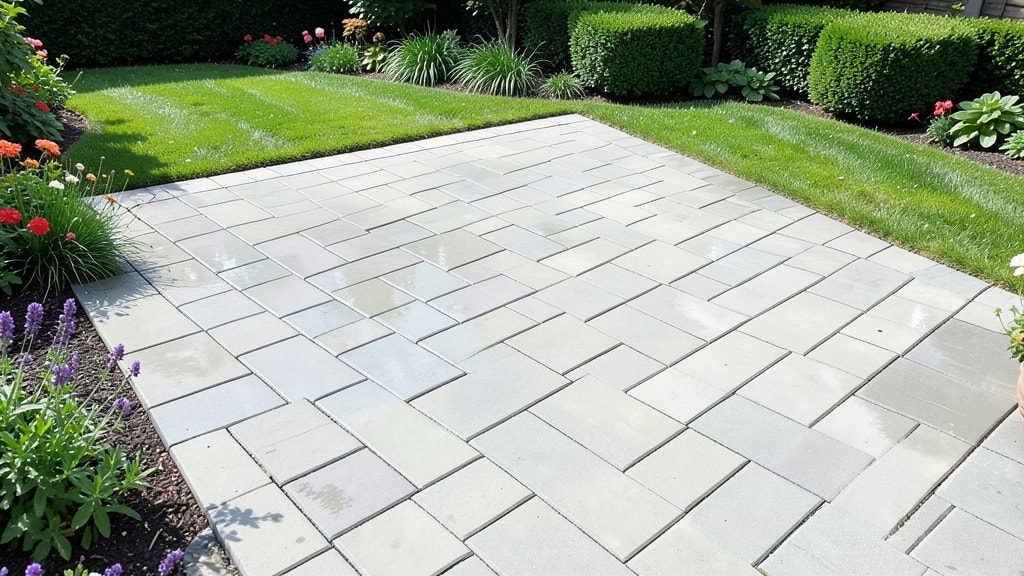
Skipping pre-treatment often leaves stains half-removed and surfaces at risk. In our humid Gulf Coast climate, organic growth clings stubbornly to siding, driveways, and decks. Pre-treating breaks that bond so pressure washing can finish the job without damage.
How Stains Bind to Surfaces in Humid Climates
Pearland’s warmth and moisture accelerate mold, mildew, and algae growth on exterior surfaces. These organisms embed roots into porous materials like concrete, wood, and stucco.
Oil, rust, and hard water stains chemically bond with substrates over time. Without pre-treatment, pressure alone won’t dislodge them—it just drives contaminants deeper.
Pre-Treatment vs. Pressure Washing Alone: What’s the Difference?
Pressure washing blasts away loose debris but struggles with embedded stains. Pre-treatment softens and lifts contaminants so the wash can rinse them away completely.
| Stain Type | Pressure Washing Alone | With Pre-Treatment |
|---|---|---|
| Mold & Mildew | Surface-level removal, quick regrowth | Deep lift, longer-lasting clean |
| Oil (Driveways) | Minimal impact, stain remains | Breaks down hydrocarbons, full removal |
| Rust | Lightens but doesn’t eliminate | Chemically dissolves, restores color |
| Algae (Roofs) | Temporary, risks damage | Kills spores, prevents return |
| Hard Water | No effect on mineral deposits | Dissolves calcium, restores clarity |
The Right Pre-Treatment for Each Stain Type
Organic stains like mold and algae respond best to oxygen bleach or specialized algaecides. These kill spores without harming plants or surfaces.
For oil and grease on driveways in Pearland or Alvin, a degreaser with high dwell time is essential. Rust requires an oxalic acid solution to break the iron oxide bond.
Hard water and mineral stains need acidic cleaners, but these must be carefully diluted to avoid etching concrete or damaging masonry.
Let pre-treatment solutions sit for 10–15 minutes (or longer for tough stains). Agitation with a soft-bristle brush can improve penetration.
Why DIY Pre-Treatment Often Falls Short
Store-bought cleaners lack the concentration for deep stains. Many homeowners also underapply, leaving surfaces unevenly treated.
Improper mixing—like using chlorine bleach on colored surfaces—can cause discoloration. Our team uses commercial-grade, surface-safe solutions tailored to each job.
Never mix bleach with ammonia or vinegar—toxic fumes can result. Always test solutions on a small, hidden area first.
Climate Considerations for Pearland and Surrounding Areas
High humidity in Friendswood or Manvel means stains return faster. Pre-treating with a mildewcide adds a protective barrier to slow regrowth.
Intense UV exposure in summer accelerates fading and weakens sealants. Pre-treatment helps restore surfaces before reapplying protective coatings on decks or fences.
Heavy pollen seasons can leave a yellow film on siding and roofs. A pre-wash soak loosens pollen so it doesn’t clog gutters during cleaning.
Pre-Treatment for Different Surfaces
Wood decks and fences need gentle, pH-balanced cleaners to avoid stripping natural oils. Harsh chemicals can splinter or gray the wood prematurely.
Concrete and pavers tolerate stronger solutions, but acidic cleaners must be rinsed thoroughly to prevent long-term damage.
Vinyl and composite siding require non-abrasive pre-treatments. Soft wash techniques are ideal to avoid warping or damage.
Surface-Specific Pre-Treatment Checklist
- Use oxygen bleach for organic stains on wood
- Apply degreaser to oil stains on concrete and rinse within 30 minutes
- Test acidic cleaners on a small area of masonry first
- Avoid high-pressure pre-treatment on delicate surfaces like stucco
When to Call a Professional Pressure Washing Team
Large or multi-surface jobs in Brookside Village or Missouri City benefit from our commercial-grade equipment and solutions. We adjust PSI and nozzles to match each material.
Stains covering 30% or more of a surface often require professional pre-treatment. DIY attempts can lead to uneven cleaning or damage.
For roof washing, soft wash pre-treatment is non-negotiable. Walking on a roof or using high pressure can cause leaks.
Early morning or late afternoon applications prevent pre-treatment solutions from drying too quickly in the Texas heat.
How to Pre-Treat Stains Before Pressure Washing
Follow these steps to maximize stain removal and protect your surfaces.
- 1Identify the Stain
Determine if it’s organic (mold, algae), oil-based, rust, or mineral. This dictates the cleaner type.
- 2Choose the Right Solution
Select a pre-treatment matched to the stain and surface. Oxygen bleach for organics, degreaser for oil, oxalic acid for rust.
- 3Apply Evenly
Use a pump sprayer for large areas or a soft-bristle brush for localized stains. Ensure full coverage with no dry spots.
- 4Allow Dwell Time
Let the solution work for 10–30 minutes. Agitate stubborn areas gently with a brush.
- 5Rinse Thoroughly
Use low pressure to rinse pre-treatment residue. Avoid letting solutions dry on surfaces.
- 6Proceed with Pressure Washing
Adjust PSI and nozzle type to the surface. Work in sections, keeping the wand moving to prevent damage.
Frequently Asked Questions
How long should pre-treatment sit before pressure washing in Pearland’s heat?
In our climate, 10–15 minutes is usually sufficient for most stains. For deep-set oil or rust, 20–30 minutes may be needed, but avoid letting it dry completely. Shady areas or cooler days allow for longer dwell times.
Can I use household bleach to pre-treat my driveway?
Household bleach can lighten stains but isn’t ideal for concrete. It doesn’t break down oils and can harm nearby plants. A commercial-grade degreaser or oxygen bleach is safer and more effective for driveways in Manvel or Alvin.
Will pre-treatment damage my lawn or landscaping?
Some solutions can harm plants if not used carefully. We use eco-friendly pre-treatments and rinse thoroughly. For DIY jobs, cover plants with tarps or water them before and after application to dilute any runoff.
Is pre-treatment necessary for every pressure washing job?
Not always. Light dust or pollen can be removed with pressure alone. But for stains, discoloration, or organic growth—common in Pearland’s humidity—pre-treatment ensures a deeper, longer-lasting clean.
What’s a good pre-treatment for a moldy roof?
A soft wash pre-treatment with a specialized algaecide or oxygen bleach is safest. It kills mold and algae spores without damaging shingles. Never use high pressure on roofs—it can dislodge granules and cause damage.
How often should I pre-treat and pressure wash my home’s exterior?
In our area, annual cleaning is ideal to prevent buildup. Homes near trees or in damp neighborhoods like Friendswood may need it twice a year. Pre-treatment is recommended every time to maintain results.