The Do’s and Don’ts of Pressure Washing Your Home in Pearland
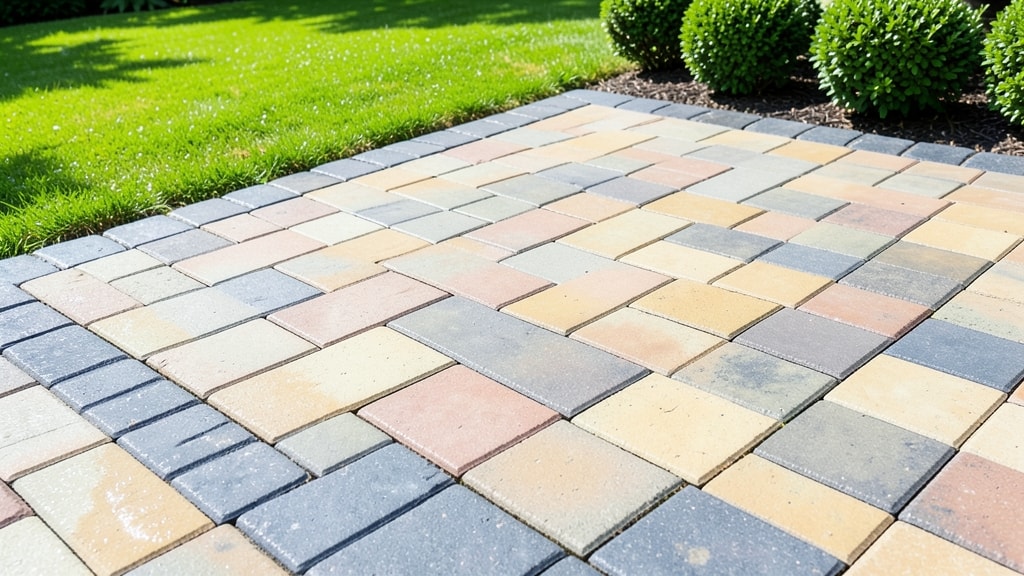
Pressure washing can restore your home’s curb appeal or cause lasting damage in minutes. Our team sees both outcomes daily across Pearland, Friendswood, and Alvin. Done right, it removes years of grime; done wrong, it etches concrete, strips paint, or causes costly issues.
Why Pearland Homes Need Regular Pressure Washing
Our humid Gulf Coast climate accelerates mold, mildew, and algae growth on siding, roofs, and driveways. These aren’t just eyesores—they degrade surfaces over time, especially on north-facing walls that stay damp longer.
Pollutants and pollen from nearby industrial areas and farmland also settle on homes, creating a sticky film that traps moisture. Regular cleaning prevents this buildup from becoming a permanent stain or a breeding ground for wood rot.
Do: Match the Method to the Surface
Soft wash is non-negotiable for roofs, wood decks, and delicate siding. It uses low PSI (under 1,000) and specialized detergents to kill organic growth without damaging shingles or sealing strips.
For driveways, patios, and concrete in Brookside Village or Manvel, high-pressure washing (2,500–4,000 PSI) with a surface cleaner attachment delivers even, streak-free results. Always pair it with a degreaser for oil stains near garage areas.
| Surface | Recommended PSI Range | Best Method | Key Detergent |
|---|---|---|---|
| Vinyl/Aluminum Siding | 1,200–1,900 | Soft Wash or Low-Pressure | Sodium Hypochlorite (bleach-based) |
| Concrete Driveways | 2,500–4,000 | High-Pressure | Degreaser + Concrete Cleaner |
| Wood Decks/Fences | 500–1,200 | Soft Wash | Oxygen Bleach or Mild Detergent |
| Asphalt Shingles | 250–700 | Soft Wash Only | Algaecide + Surfactant |
| Brick/Paver Patios | 1,500–2,500 | Medium-Pressure | Muriatic Acid (diluted) or pH-Neutral |
Don’t: Ignore the Nozzle and Distance
A 0° (red) nozzle can slice through wood or etch concrete in seconds. For most residential work, a 25° (green) or 40° (white) nozzle is safer. Always test on an inconspicuous area first.
Standing too close—under 12 inches—risks stripping paint or gouging softer materials like stucco. On siding, maintain 18–24 inches and use a wide-angle tip to avoid streaking.
Never use a 0° or 15° nozzle on residential surfaces. These are for industrial cleaning only and can cause serious injury or property damage.
Do: Pre-Treat Stubborn Stains and Growth
Mold, algae, and efflorescence (those white mineral deposits) won’t budge with water alone. Pre-treat with a detergent or chemical solution and let it dwell for 5–10 minutes before rinsing.
For oil stains on driveways in Missouri City or Alvin, apply a degreaser or poultice of baking soda and dish soap, then agitate with a stiff brush. This breaks the bond before pressure washing.
Don’t: Skip the Prep Work
Cover electrical outlets, light fixtures, and HVAC units with plastic sheeting. Water intrusion can short circuits or corrode components, and we’ve seen costly repairs from overlooked prep.
Clear the area of furniture, toys, and potted plants. The force of the water can turn loose items into projectiles or damage them with overspray.
Pre-Wash Prep Checklist
- Turn off power to outdoor outlets and lights
- Cover or remove sensitive items (grills, outdoor TVs, etc.)
- Close windows and doors tightly
- Wet nearby plants with water to dilute overspray
- Check for loose mortar, caulk, or damaged surfaces
Do: Use the Right Equipment for the Job
Consumer-grade pressure washers (1,500–2,200 PSI) work for small jobs like patios or fences. For whole-house washing or commercial properties, a professional-grade machine (3,000+ PSI, 4+ GPM) is essential for efficiency.
Invest in a surface cleaner attachment for driveways and large flat areas. It distributes pressure evenly, preventing “tiger stripes” and cutting cleaning time in half.
Gallons per minute (GPM) often trumps PSI for large jobs. Higher GPM cleans faster and rinses detergent more thoroughly, reducing streaks.
Don’t: Pressure Wash in Direct Sunlight or Extreme Heat
Cleaning in full sun causes detergent to dry too quickly, leading to streaks and residue. Early morning or late afternoon is ideal in Pearland’s hot summers, when temperatures are below 85°F.
Avoid pressure washing during high winds, which can blow detergent onto neighboring properties or your own landscaping. Check the forecast for rain, too—you’ll need 24–48 hours of dry weather for surfaces to fully cure.
When to Call a Pro (and Why DIY Isn’t Always Cheaper)
Multi-story homes, steep roofs, or delicate surfaces like cedar shakes or stucco often require professional equipment and training. A misstep can lead to water intrusion, coverage issues, or even structural damage.
Commercial properties, fleet washing, or graffiti removal in urban areas like Missouri City demand industrial-grade tools and EPA-compliant waste disposal. We handle permits and runoff containment so you don’t have to.
How to Soft Wash Your Home’s Siding
Soft washing is the safest way to clean vinyl, aluminum, or wood siding without damage.
- 1Inspect and Prep
Check for loose panels, cracked caulk, or damaged trim. Cover outlets, lights, and plants with plastic sheeting.
- 2Apply Detergent
Use a downstream injector to mix sodium hypochlorite (bleach) with water. Apply from bottom to top to avoid streaks.
- 3Dwell Time
Let the solution sit for 5–10 minutes to kill mold and algae. Do not let it dry on the surface.
- 4Rinse Thoroughly
Use a wide-angle nozzle (40°) and rinse from top to bottom. Keep the wand 18–24 inches from the siding.
- 5Final Check
Inspect for missed spots or streaks. Touch up as needed, and remove plastic coverings once dry.
Frequently Asked Questions
Can I pressure wash my roof in Pearland?
We strongly advise against it. Asphalt shingles can be damaged by high pressure, and walking on a wet roof is dangerous. Soft washing is the only safe method for roofs, and it should be done by professionals with the right equipment and fall protection.
How often should I pressure wash my driveway?
In our climate, driveways in high-traffic areas or under trees should be cleaned every 12–18 months. Oil stains, algae, and dirt buildup are more aggressive here due to humidity and heat. Less used driveways may only need it every 2–3 years.
What’s the difference between pressure washing and power washing?
Pressure washing uses plain water, while power washing adds heat (up to 200°F) to the water. The heat helps break down grease and grime faster, making it ideal for commercial kitchens or heavy oil stains on concrete in Alvin or Friendswood.
Will pressure washing remove paint from my house?
Yes, if the paint is old, peeling, or low-quality, or if you use too much pressure or the wrong nozzle. Always test a small area first, and consider repainting after cleaning if the existing coat is compromised.
Is pressure washing safe for my wood deck?
Only with a soft wash approach. High pressure can splinter wood, damage seals, or drive water into the grain, leading to rot. Use a low-PSI setting, a wide nozzle, and a deck cleaner formulated for wood.
Do I need a permit to pressure wash my home in Pearland?
For residential pressure washing, no permit is typically required. However, commercial properties or projects involving water runoff into storm drains may need permits or compliance with local EPA regulations. Always check with the city if unsure.